From Tunnel Fits to Campaigns: Why Player Fashion Matters
What player fashion can tell us about taste and creative work—and why an arrival photograph needs context.
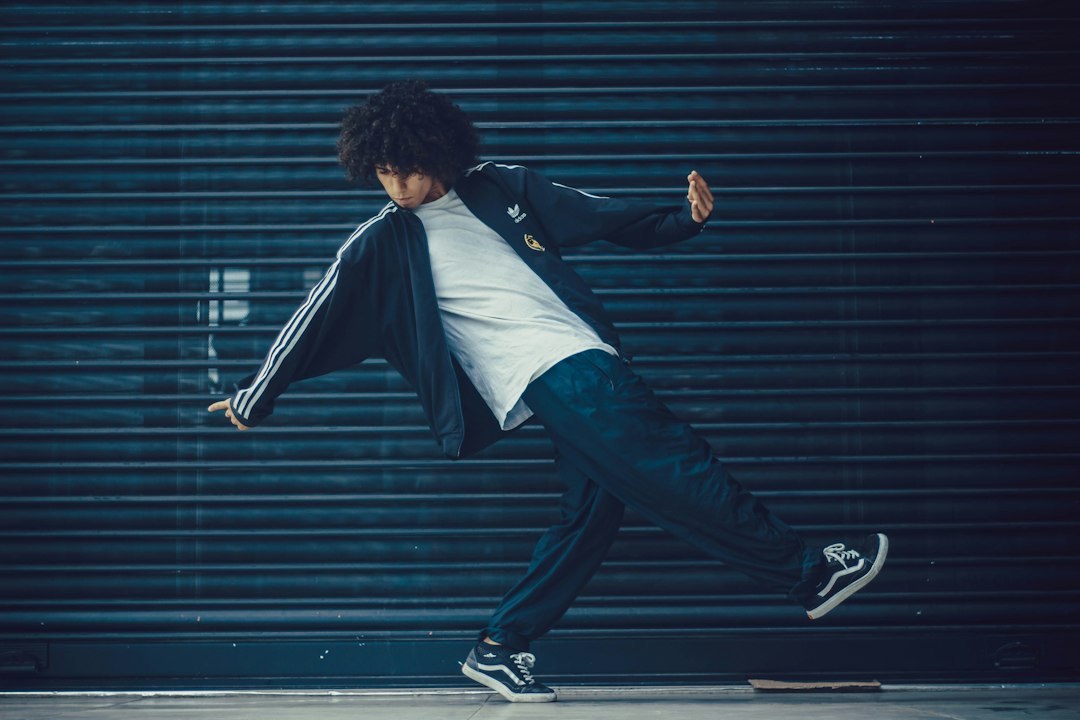
The walk into a stadium sits between private preparation and public performance. An athlete may be heading toward the changing room, but the camera already has a story to tell. Clothing becomes part of that story before the match begins.
For footballers, fashion can offer a form of expression outside the prescribed kit. It can also connect them to designers, creative work and commercial campaigns. A photograph of an arrival may therefore involve a personal choice, a club requirement or an agreed partnership. The image alone does not reveal which.
Taking player fashion seriously means understanding those possibilities. It means looking at the people and work behind an outfit without confusing visibility with influence, or treating appearance as evidence of sporting commitment.
Clothing can reveal another interest
A player’s public identity is often reduced to position, performance and results. Fashion can make other preferences visible: a taste for tailoring, an interest in a designer or a connection to a particular cultural scene.
Those preferences may offer a useful starting point for a feature. Why did the player choose the garment? Who helped put the look together? What does the design reference? Answers grounded in a real conversation are more interesting than assuming every outfit expresses a strategic message.
Some players may want to discuss fashion at length; others may regard clothing as a private preference. Both positions deserve respect. Public visibility does not require a person to turn every interest into a brand or a story.
An arrival image has a context
Football teams can have different expectations about travel and arrival clothing. Some situations allow individual choices; others involve coordinated outfits or partner commitments. A fashion article should establish the circumstances before attributing a look entirely to the player.
It should also identify the event accurately. A stadium arrival, an awards appearance and a campaign shoot ask for different decisions. Grouping all of them as tunnel style can make the coverage less precise than the image suggests.
Context helps the reader understand what they are seeing. It also prevents a publication from presenting an arranged commercial appearance as spontaneous personal endorsement. The clothes may be striking in either case, but the relationship behind them changes the story.
Creative professionals help build the picture
Stylists, photographers and designers can contribute to how an athlete appears. Their work includes practical decisions about fit, movement and the setting, alongside the broader visual idea.
Campaigns add production demands. A concept must work across the images or film being made, and the athlete needs to understand what is being asked of them. Their availability and comfort can affect the result as much as the clothing selection.
Crediting the creative work makes coverage more complete. It also avoids treating the athlete as the sole author of every image. A good interview can explore that collaboration without assuming a relationship exists before it has been verified.
Clubs can become part of fashion culture
Club partnerships show how fashion can extend beyond an individual wardrobe. In October 2022, AC Milan announced Off-White as its Style and Culture Curator.[15] The announcement described a collaboration connecting the club with a fashion label, illustrating how team identity can enter a different creative setting.
That historical example establishes an agreement at a particular time. It does not establish the present status of every related arrangement or prove a particular commercial return. Current product or partnership reporting should use current documents.
The useful editorial question is what the collaboration does with the club’s identity. Does it give recognizable symbols another interpretation? Does it introduce the club to an audience interested in design? Those questions can be explored through the work itself, with claims about outcomes kept separate.
Campaign fit requires more than recognition
A well-known footballer can bring attention to a fashion campaign. Attention alone does not explain whether the pairing is persuasive. The athlete’s interests, the brand’s intended audience and the creative concept need a credible relationship.
For a player evaluating a campaign, the agreement also needs practical clarity. The use of their image, the period of that use and restrictions on other work can affect their options beyond the shoot. The athlete should understand what they are agreeing to and obtain appropriate advice where required.
A partnership should leave room for honest participation. An athlete does not need to claim a lifelong passion for a product to appear in a campaign. Invented personal enthusiasm makes the content less trustworthy than a clear account of the collaboration.
Fashion does not explain a match result
Coverage can become unfair when clothing is used to speculate about an athlete’s priorities. A fashionable arrival does not demonstrate a lack of focus. A restrained outfit does not establish professionalism. Sporting assessment needs sporting evidence.
The same care applies to cost and access. A high-priced look is one kind of fashion story, but personal style can also involve familiar garments, local designers or repeated choices. Treating luxury spending as the only interesting subject narrows both the coverage and the audience.
Players should not be expected to make purchases for the sake of content. A publication can discuss design and expression without implying that an athlete needs an expensive wardrobe to have a credible public identity.
Images require permission and disclosure
A photograph being widely shared does not establish that a publication can reproduce it. Credits and usage rights need to be checked. The same applies to campaign material supplied by a brand: editorial access and permission to use an image should be understood rather than assumed.
Commercial relationships relevant to a story should also be disclosed. Paid work, gifted products and other connections can affect how audiences interpret an apparent endorsement.[12] A clear explanation is more useful than a vague label that leaves the relationship uncertain.
Fashion coverage is strongest when it can say who made the work, what it involved and why it is interesting. The athlete’s sporting fame supplies a point of entry, but the story should have substance beyond the presence of a recognizable face.
The story beyond the photograph
Player fashion matters because it offers another way to see people whose lives are often discussed only through results. It can reveal taste, creative relationships and forms of expression that the match kit cannot contain.
The camera may capture an outfit in a few seconds. A worthwhile feature stays longer, asking how the image came together and what the player actually wants to say about it. That is where coverage moves from noticing clothes to understanding the person wearing them.
Sources and further reading
Articles are reviewed before publication. Regulatory and legal topics are presented for general educational purposes and are not legal advice.