When Football and Fashion Brands Collaborate
What historical collaborations reveal about football identity, design and the audiences who encounter both.
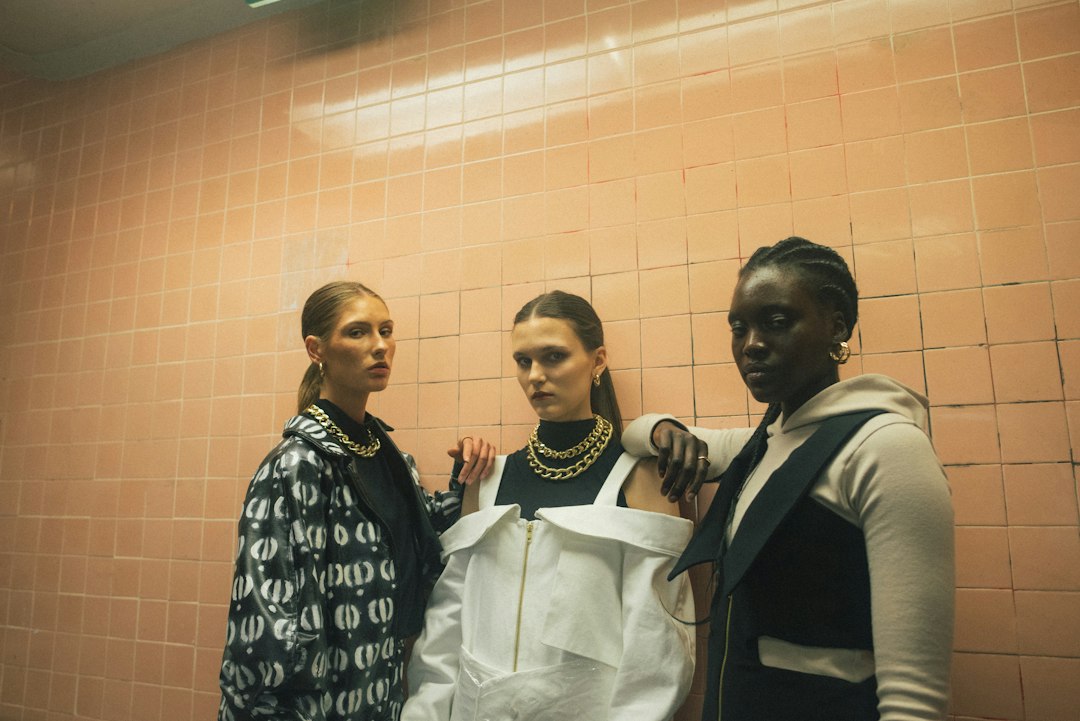
A football crest carries history before a designer places it on a new garment. Supporters bring memories to it; a club brings its identity and commercial rights. A fashion brand arrives with its own design language and audience. A collaboration has to make those elements work together.
The result can introduce a club to people who first notice the clothing. It can give established supporters a different way to wear their affiliation. It can also feel superficial if the product uses football symbols without much interest in the institution behind them.
The interesting question is therefore what the collaboration makes possible. A shared logo is easy to recognize. A convincing creative relationship takes more explanation, and its commercial success needs evidence beyond the attention surrounding launch day.
Different agreements produce different work
A technical kit supplier, a formalwear partner and a label producing a limited collection can have different responsibilities. The rights to design, manufacture and use club symbols depend on the specific agreement.
Coverage should identify that role accurately. Calling every fashion-related relationship a kit partnership can create the wrong impression about what a company supplies. Describing a limited product as a permanent change can be equally misleading.
The distinction also affects evaluation. Match equipment has sporting requirements. A lifestyle collection is judged partly by how it works as clothing beyond the stadium. Both can involve the same club without being intended to meet the same need.
PSG and Jordan offered a documented crossover
Paris Saint-Germain announced its collaboration with Jordan Brand in September 2018. The club’s launch material connected performance and lifestyle products, including football shirts, with a brand widely associated with basketball.[16]
The example illustrates a deliberate meeting of sporting identities. A football club could appear through design references familiar to people beyond its immediate match audience. The association offered a concept that could be understood without requiring every buyer to begin as a PSG supporter.
That does not make every purchaser evidence of a new football fan. Nor does the announcement alone establish sales, profit or lasting loyalty. Those outcomes would require separate reporting. The documented collaboration is the starting point for analysis, rather than a license to invent its results.
Juventus and Palace brought another reference point
In November 2019, Juventus published the release of a fourth kit created with adidas and Palace.[17] It provides a historical example of a football club, its sportswear supplier and a label associated with skate culture working on a shared product.
The significance lies in the combination and the design work it produced. Football’s visual identity could meet another clothing culture while remaining attached to a recognizable club. Readers can examine how the garment handles that relationship without needing a claim that the collaboration transformed the market.
Historical examples should remain historical. A product’s release date, the organizations involved and the type of garment are verifiable facts. Its current availability, resale price or continuing partnership status are separate questions requiring current checks.
A club needs to remain recognizable
Designers have room to reinterpret familiar symbols, but the club’s identity remains relevant. Colors, crests and references to place can carry meaning for people who have followed the team for years.
A collaboration can explain why it changes those elements. A design story becomes more convincing when readers can connect the stated idea to what appears on the garment. Broad claims about heritage are less useful if the specific reference is never identified.
Supporter response should be reported rather than guessed. A handful of social comments cannot establish what an entire fanbase thinks. Interviews, attributed reactions and careful descriptions can illuminate debate without manufacturing a consensus.
New audiences bring different expectations
A person interested in the fashion label may approach the product through design and fit. A long-standing supporter may begin with the crest and the club’s colors. A collector may focus on the release itself. The same garment can meet different expectations.
Recognizing those audiences helps explain why a collaboration might attract attention while also dividing opinion. Neither group needs to be treated as the only legitimate judge. The product should be assessed in relation to what it claims to offer.
For the club, the challenge is to welcome interest without treating established support as an obstacle. Fashion can create another point of entry to football culture. That invitation works better when the underlying institution is explained and respected.
Price and distribution shape the experience
Access is part of the story. A collection’s price, available sizes and distribution determine who can buy it. A campaign photographed for a global audience can still lead to a product available only through a narrow route.
Scarcity may serve a particular release strategy, but it should not automatically be celebrated as a benefit to supporters. A limited product can generate interest while making participation harder. Those effects need to be distinguished.
Gear coverage should give readers practical information when it is available and verified. If the article is a cultural overview rather than a shopping guide, it should avoid implying that historical products are currently on sale or that a resale listing establishes normal market value.
Commercial value needs a defined measure
A launch can be judged against several objectives. The organizations might seek product sales, wider awareness or a creative repositioning. Evidence appropriate to one goal does not prove another.
Images circulating online demonstrate visibility only within the available measurement. A sold-out release does not explain profitability without knowing supply and costs. A club gaining attention does not establish that the new audience will watch matches or maintain an attachment.
A careful article can discuss the creative idea and the likely questions it raises while leaving unsupported outcomes unclaimed. Brand announcements provide useful facts about releases, but their promotional descriptions should be attributed rather than adopted as an independent verdict.
What makes the collaboration worth covering
A strong collaboration gives the reader something specific to examine: a design reference, a relationship between cultures or a new way of presenting a club. It can be interesting without being called revolutionary.
Editorial coverage should disclose any relevant commercial arrangement involving the publication and identify the basis of its assessment. Looking at launch material differs from testing a product or interviewing its designers. Being clear about that basis protects the reader’s ability to judge the story.
Football and fashion can produce compelling work because each brings meanings the other cannot create alone. The best coverage follows those meanings into the actual product, then asks what changed and for whom. The collaboration becomes worth remembering when the answer extends beyond the names printed beside the crest.
Sources and further reading
Articles are reviewed before publication. Regulatory and legal topics are presented for general educational purposes and are not legal advice.