Why Football Kits Mean More Than Uniforms
Football shirts combine practical equipment, club identity and personal history. Their meaning keeps growing after launch day.
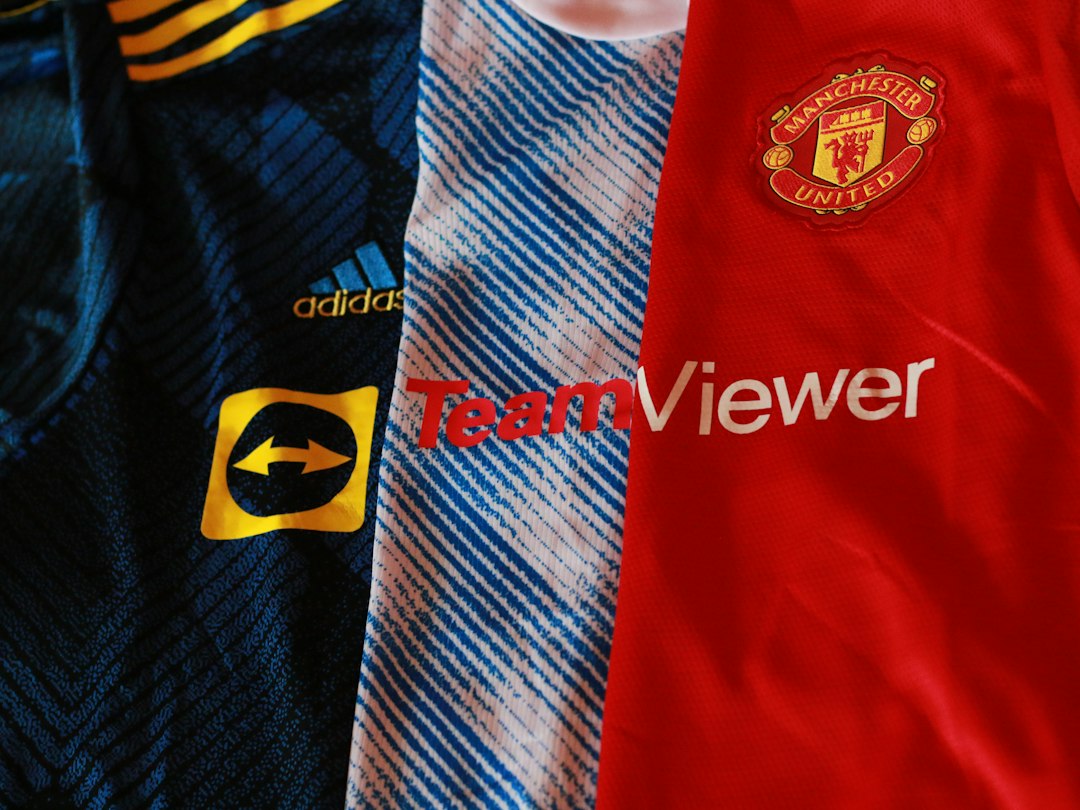
A football shirt can bring back a season before its wearer recalls a single result. The color, collar or sponsor mark may connect it to a particular team, player or stage of life. A shirt passed down through a family can carry memories that never appeared in a match report.
On the pitch, a kit serves practical purposes. Away from it, the same garment becomes a visible connection to a club or national team. It can express belonging, curiosity, style or some combination of them.
That range of meanings helps explain why kit discussions can become so intense. Supporters are judging a product, but they may also feel they are judging how an institution has represented something that belongs partly to them.
The uniform still has a sporting job
Football’s equipment rules set requirements for what players wear and how teams are distinguished. IFAB’s Law 4 includes compulsory equipment, safety provisions and requirements concerning colors.[14] Competition regulations can add details relevant to a particular event.
Those requirements establish a practical boundary around design. A striking shirt still needs to function as part of a match kit. The garment worn by a supporter may have different features from the version used in competition, depending on the product.
For buyers, that distinction should be explained clearly. Terms used to separate player versions and supporter versions vary across brands. A publication should inspect the specific product rather than assume that one label has exactly the same meaning everywhere.
Color creates recognition
A club’s established colors can allow supporters to identify it even when the crest is too small to see. Repetition over seasons helps make the design part of the institution’s public identity.
That does not mean every shirt must look the same. Changes can be meaningful when they draw on a recognizable history or explain a new idea clearly. The debate often concerns which elements can move and which supporters regard as essential.
A manufacturer’s design story is useful evidence of the intended concept. It is not the final authority on how people experience it. Supporters can understand the explanation and still feel that the result misses what they value in the club’s appearance.
Shirts carry personal histories
People remember kits through experiences: a first match attended, a gift from a relative or a season followed from another country. Those connections are particular to the wearer. The same design can represent triumph to one supporter and disappointment to another.
This is why a historical kit feature should extend beyond visual description. The season, competition and people associated with the shirt can help explain its place in football memory. Those details need verification rather than being assembled from nostalgia alone.
Interviews can add a different kind of evidence. A supporter’s account explains what a shirt means to them without pretending that the meaning is universal. The most interesting stories allow those individual experiences to sit beside the documented history.
Commercial marks become part of the image
Sponsors and manufacturers contribute to the appearance through logos and design. Over time, those marks can become associated with a particular era. A supporter may recognize a shirt’s period from the sponsor placement before noticing other details.
That familiarity should not obscure the commercial relationship. Advertising occupies part of a garment that also carries sporting and community identity. Clubs and competitions need to balance commercial commitments with rules and the expectations around their appearance.
A shirt can also become a platform for a wider creative idea. Barcelona’s 2022 partnership announcement with Spotify described plans to celebrate artists through the club’s shirt and other surfaces.[11] The example shows the potential use of kit space, without establishing how every supporter experienced it.
Fashion can bring new wearers
Someone may first encounter a club through its shirt rather than its matches. A design can appeal as clothing, and curiosity about the badge can follow. There is no need to demand that every wearer begin with the same depth of sporting knowledge.
For a club, however, that new audience should not become a reason to disregard existing supporters. The shirt still represents a team with a history and a community. A successful design can invite interest while remaining attentive to the people who already care about it.
Fashion coverage should also recognize where the garment came from. Treating a kit entirely as a trend can detach it from the football that gives its symbols meaning. Explaining the club and the design makes the article more useful to a reader discovering both.
Access affects belonging
A launch campaign may generate excitement while leaving some supporters unable to buy the shirt. Price, availability and sizing can influence who participates in the visible expression of support. Those practical questions belong in kit coverage alongside design.
Limited releases add another dimension. Scarcity can appeal to collectors, but it does not necessarily serve people who simply want to wear their team’s colors. A publication should distinguish a collectible product from a widely available match-season shirt.
Historical and secondhand purchases require their own care. Condition, provenance and authenticity can affect value. Claims about rarity or match use should be supported by evidence, rather than accepted because they appear in a seller’s description.
Covering kits with the right depth
A credible kit story can explain what the team will wear, why the design looks as it does and what the product offers a buyer. It can also investigate how supporters interpret the change. These questions complement one another without needing to produce a single verdict.
Claims about materials or environmental benefits require particular care. A brand’s stated production approach should be attributed and checked; a broad description such as sustainable should not be presented as an independently proven conclusion without evidence.
Football shirts keep their meaning because people continue adding experiences to them. The launch photograph records a design at one moment. The season and the wearer supply what comes afterward. That is why a kit can remain important long after it stops being the newest thing in the club shop.
Sources and further reading
Articles are reviewed before publication. Regulatory and legal topics are presented for general educational purposes and are not legal advice.