Football Boots: Performance Tool, Personal Choice and Culture
Choosing football boots starts with the surface and fit, while their designs carry memories and identity far beyond the pitch.
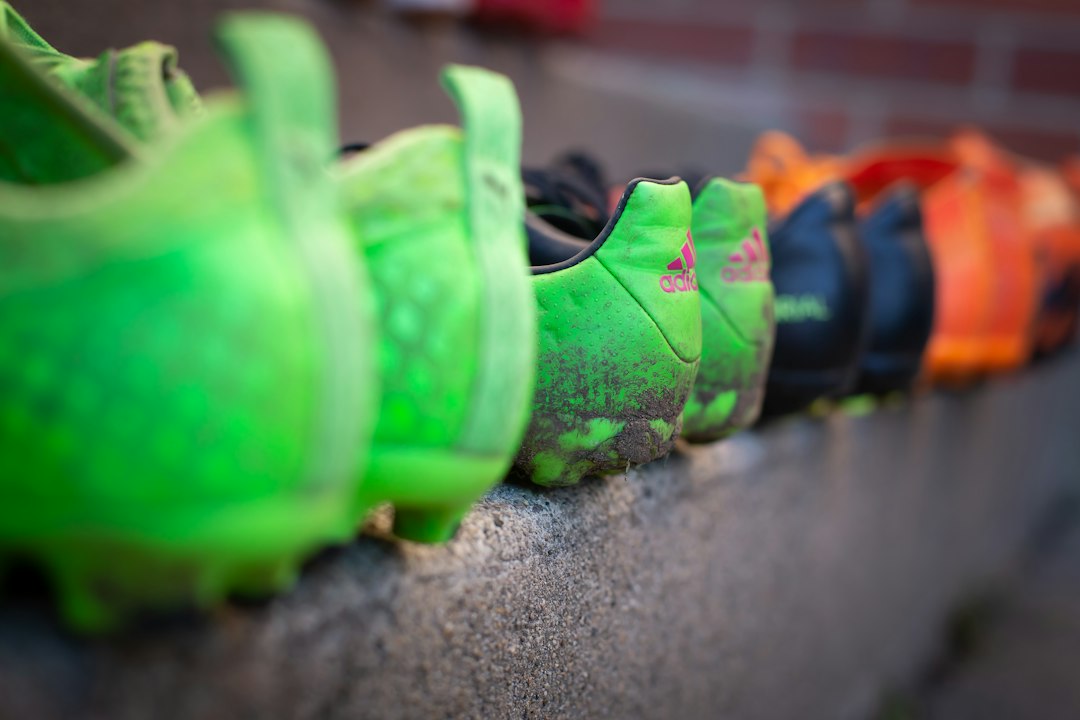
Football boots are among the game’s most personal pieces of equipment. A player can describe a favorite pair by its fit, its color or the season in which it was worn. Someone else may remember the boots a childhood hero used and want a similar pair long before considering the soleplate.
That mixture of function and feeling is part of their appeal. Boots connect the player to the surface, provide contact with the ball and carry a visible identity. They are also products marketed through professional footballers whose playing conditions may differ sharply from a buyer’s weekly game.
The best choice starts with the football being played. Style can then become part of the decision without being asked to answer questions it cannot solve.
Begin with the surface
Footwear categories are intended to help match a boot to its playing environment. Firm ground, soft ground, artificial grass, turf and indoor products can use different sole designs. The labels describe intended uses; they should not be treated as interchangeable promises of performance.
Nike’s football footwear guide, for example, distinguishes firm-ground soleplates for suitable natural grass conditions and states that its soft-ground soleplates are not intended for firm pitches or artificial turf.[13] That is guidance for the manufacturer’s products, rather than a universal rule that resolves every model from every brand.
Players should read the guidance for the specific boot and check any venue restrictions. A weekly schedule that includes different surfaces may call for more than one appropriate option. The relevant question is where the boot will actually be worn, not which version looks closest to a professional’s match pair.
Fit deserves time
A boot can be marketed as fast or precise and still feel wrong on a particular foot. Length, width and the shape around the heel can influence comfort. Two models carrying the same size label may not feel identical.
Trying a pair with the socks normally worn for football helps make the assessment more realistic. Players should consider whether their heel feels secure and whether there are uncomfortable pressure points. A purchase should not depend on assuming that significant discomfort will inevitably disappear.
Retailer return conditions also matter. If a buyer cannot test a product appropriately, they should understand the limits of the decision. Players experiencing persistent foot pain or other symptoms should seek qualified assessment rather than use a boot review as a diagnosis.
Product language needs interpretation
Boot advertising often associates a model with speed, control or finishing. Those labels help brands present product families, but they do not assign a player to a position or establish how much their performance will improve.
A defender can prefer a lightweight boot. An attacker can favor a more traditional feel. The decision depends on comfort, the product’s intended use and personal preference, rather than a rule that one category belongs to one role.
Technical claims deserve specific evidence. A description of a material or design feature explains what a manufacturer has made. It does not automatically demonstrate an advantage for every player. Reviews should distinguish construction, the reviewer’s experience and independently supported performance findings.
Budget belongs in the discussion
Boot ranges can include several price levels with different materials and features. The most expensive option should not be treated as a requirement for serious football. A buyer needs to assess the actual pair against their use and budget.
For a growing player, repeated replacement can become a practical consideration. For someone playing frequently, condition and suitability matter across the season. A clear comparison should explain meaningful differences rather than assume that the top-tier product is the correct answer for everyone.
Value also includes whether the boot can be maintained within the player’s routine. Cleaning, drying and checking condition should follow the product’s care instructions. A well-chosen pair is useful only while it remains suitable for use.
Boots communicate identity
The visual choice can be part of how a player feels on the pitch. Bright colors, restrained designs and references to older models each carry associations. Some players enjoy standing out; others prefer their equipment to attract little attention.
Professional endorsements help build those associations. A boot worn by an admired player can become part of a supporter’s memory of a goal or tournament. The emotional connection is real even when the product cannot reproduce the footballer’s ability.
That is where cultural coverage can add depth. A story about boots can ask why a player kept one pair, how a design became recognizable or what a product meant within a team. It does not need to pretend that every aesthetic choice has a measurable sporting benefit.
Used pairs carry another kind of value
A pair kept after a season can become a record of participation. Scuffed surfaces and repairs may mean little to a retail campaign but a great deal to the person who wore them. Collecting, gifting or displaying boots can preserve those memories.
When products are bought secondhand, condition and authenticity need attention. A pair’s appeal as a collectible is separate from its suitability for play. Buyers should know which purpose matters to them before judging value.
The distinction is useful for magazine coverage too. A story about a rare design should identify whether it concerns sporting equipment, fashion or a collectible market. Treating all three as the same purchase can confuse readers.
What a credible gear story should deliver
Readers need enough information to understand the product, the intended surface and the limits of any assessment. A hands-on review should identify the conditions in which it was used. An overview based on manufacturer material should say so rather than imply a test took place.
Any supplied products, payments or affiliate relationships relevant to coverage should be disclosed. This article is a general explanation of selection and culture, not a report of a CSA product test. The named manufacturer is included for its published guidance.
Boots occupy a small space in a football bag and a large space in football memory. Choosing them well means respecting both sides: the equipment needs to suit the game, while the player is free to enjoy what the pair means to them.
Sources and further reading
Articles are reviewed before publication. Regulatory and legal topics are presented for general educational purposes and are not legal advice.